

I started drinking coffee in university to play more video games, not do my homework. I’d brew a few cups of Folgers – cheap, but great coffee at the time. I’d scurry off to my desk, coordinate with friends to play DOTA 2 for hours on end. In between games, I also found time to complete assignments and study, of course.
The caffeine revived me. Those euphoric first sips faded over time, but I still enjoy a nice cup of coffee each day. I brew almost all my coffee at home, which saves me hundreds of dollars per year.
Right now, you think I’ll recommend brewing your own coffee instead of buying it. A small purchase every day, like coffee, can make a difference in your savings, but it’s a decoy. We like to blame small purchases instead of prioritizing our spending.
Is a Coffee a Day Really Ruining My Savings?
Throughout the year, if you buy one coffee, tea, or caffeinated drink of choice every day, the costs add up. At two dollars a day, that adds up to $730 throughout the year. Not too bad. If you drink two cups, that doubles to $1,460 for the year. Now that’s some serious cash. With $1,460, that covers yearly car insurance, a brand-new phone, or even a gym membership. Before you purchase a coffee machine and a travel mug, let’s look at another reoccurring purchase: takeout food.
Life is busy and sometimes you don’t have time to prepare your food. This applies to any meal. Any money spent on takeout food can add up with a few orders per month. If you buy lunch once per week for $20, about four times per month, that adds up to $960 per year. That doesn’t include dinner, breakfast, or any other outings.
Takeout costs skyrocket with food delivery apps. If I grab dinner for two – chicken quesadillas, a box of nachos, and 6 churros – it’ll cost me $41.77. That same meal on Uber Eats after fees and taxes, excluding a tip, is $57.29.
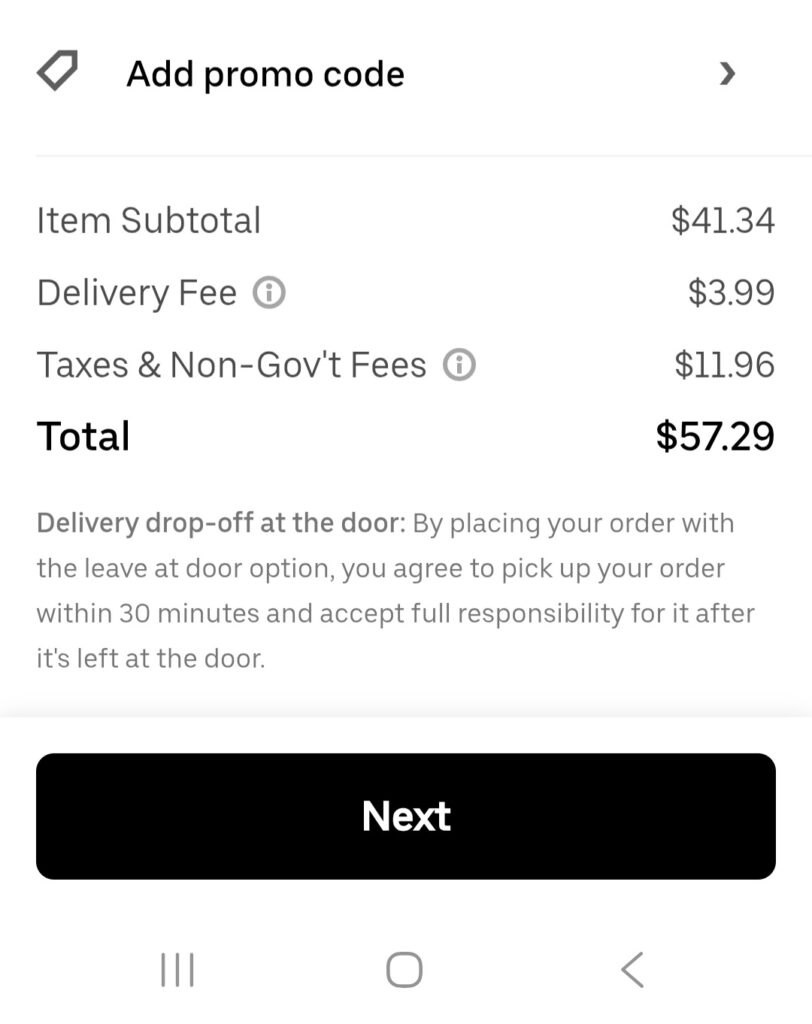
That bit of convenience costs you an extra $15.52. In 2025, one in four Canadians placed at least one order through these apps per month. While daily purchases like coffee add up, so do other regular, larger purchases like lunch, car payments, and subscriptions.
Cut the Right Things, Not the Easy Ones
This doesn’t mean automatically cutting your daily coffee or skipping breakfast with co-workers. The answer becomes clear after you review your expenses. If a large portion of your pay goes to car payments and other debts, then look at ways to maximize your dollar. Cut in easy areas like daily coffees, weekly lunch, and online shopping. Brew your coffee at home, pack lunch, and buy clothing when needed.
When your finances stabilize and your large outstanding debts no longer take the majority of your pay, then little luxuries make their way back into your routine. When I worked to pay off my school debt, I denied many outings with friends. At the time it felt like I missed out on a lot, but I made up for those outings later.
No steadfast rule exists, though always remember to balance your financial obligations with things that make you happy. Don’t deny yourself meals or drinks to save a few bucks when other problems exist. If you think some Folgers coffee and turkey sandwiches won’t make a huge difference in your quality of life, the choice is obvious. It’ll make a huge difference in your spending.

Money Method Tip: For daily caffeinated drinks like energy drinks or pop, look for sales and buy in bulk. Avoid single purchases at gas stations or convenience stores where prices are often marked up.


